

WWII: Heroines on the home front
During World War II, British women were factory workers, codebreakers, spies and air raid wardens. How did such roles contribute to the Allies’ victory?
Image: The Women of World War II monument in London | stock.adobe.com

Such is the significance of World War II, its impact continues to be heavily discussed more than eight decades after Nazi Germany’s surrender. A new Sky HISTORY series, World War II with Tom Hanks, draws on little-known archival material to provide a fresh perspective on the conflict.
Even today, it’s easy to underestimate many major British contributions to World War II. These include the role played by women, usually on the home front but also sometimes on enemy ground. Here’s the Sky HISTORY guide to many key responsibilities British women took up in wartime.
Working in factories
The National Service (Armed Forces) Act 1939 required many young British men to join the armed forces. However, this conscription left large gaps in the labour market back home.
It didn’t help that some industries actually took on renewed importance – like those providing munitions for soldiers. This all led to yet another National Service Act in 1941, this time bringing women into jobs traditionally undertaken (and recently vacated) by men. These jobs included working in factories making the likes of weapons, ammunition and aircraft.
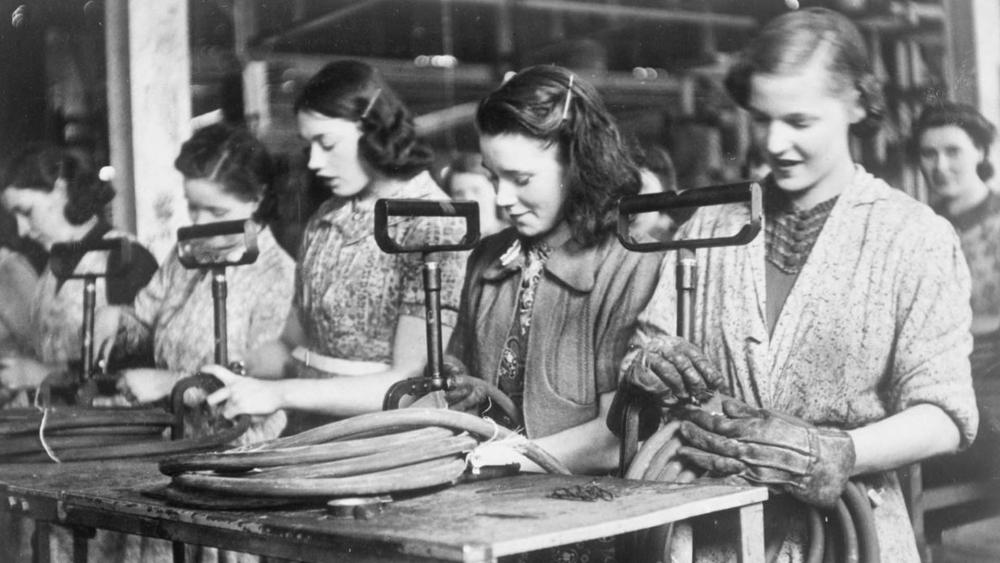
Image: British women working in a factory in 1941 | Public Domain
Codebreakers
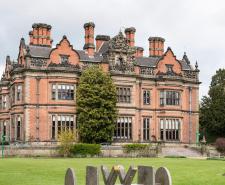
Using the famed ‘Enigma’ machine, the Germans created coded messages they could use to issue military orders without the British prying. Except that, well, the British did pry – after mathematicians at Bletchley Park in Buckinghamshire succeeded in cracking the Enigma code.
Today, the most famous of the Bletchley codebreakers is Alan Turing, whose image features on the £50 note. However, by 1945, almost 10,000 people were working at Bletchley Park – and this workforce is thought to have been roughly 75% female. Women were tasked with much of the computing work that helped Turing’s team to make the vital breakthrough.
Women’s Land Army (WLA)
Many of the young men called up for military service had been farmers long responsible for food production. This was ironic, given the increased importance of homegrown food in wartime. It would be harder to import food now that German U-boats could prevent merchant ships from getting through.
Hence why the government revived a World War I organisation, the Women’s Land Army (WLA), to replace the male farmers now heading overseas to fight. Between June 1939 and November 1950, more than 200,000 women answered the call, taking up duties like picking crops, milking cows and catching rats. These women were affectionately known as ‘Land Girls’.
Spies
After large swathes of Europe fell to the Nazis early in the war, these areas became dangerous places for the British to linger. Still, that doesn’t mean some British citizens didn’t linger. They just had to be secretive about it.
In 1940, UK Prime Minister Winston Churchill formed the Special Operations Executive (SOE), consisting of spies he pledged would ‘set Europe ablaze’. British operatives would be parachuted into occupied territories to gather intel and support local resistance movements. Dozens of women are thought to have been active as SOE field agents in continental Europe.

Air raid wardens
Cities across the UK were regularly subjected to Nazi bombing during the war. It’s not hard to see, then, why there was a major need for air raid wardens. As early as 1940, almost 20,000 were women. The Women’s Voluntary Service (WVS) played a big part in recruiting women to positions in the Air Raid Precautions (ARP) services.
Air raid wardens had the literally lifesaving job of preparing British residents for enemy attacks. So, these wardens would hand out protective gear like gas masks and make sure locals ‘blacked out’ their windows. Any light that trickled through could potentially help German pilots to target their bombing more effectively.
After a raid, it was routine for wardens to rescue people from damaged buildings. Wardens would also seek temporary accommodation for anyone left homeless by the bombing.
Auxiliary services
Women in the UK were not permitted to fight in the war. However, the National Service Act 1941 still gave them the option to join auxiliary services. These included the Auxiliary Territorial Service (ATS), the Women’s Royal Naval Service (WRNS) and the Women’s Auxiliary Air Force (WAAF).
These were the female arms of, respectively, the British Army, the Royal Navy (RN) and the Royal Air Force (RAF). Women were therefore in roles supporting men involved in direct combat. The auxiliary tasks available to women included operating radar, driving and repairing vehicles, cooking food and even manning (but not firing from) anti-aircraft guns.
You never have to wait too long for exciting new content about World War II – as you’ll learn by subscribing to the Sky HISTORY newsletter.


