

Were D-Day secrets leaked in a newspaper crossword puzzle?
The plans for D-Day were a closely guarded secret. So, why did codenames related to the wartime operation start popping up in newspaper crossword puzzles?
Image: stock.adobe.com
With hindsight, D-Day is seen as sounding the death knell for the Nazis’ nefarious hold on Europe. However, as Allied forces prepared to leave British shores in a bid to establish a foothold in Nazi-occupied France, nerves crept in. What if the attempted Normandy landings failed? Could the Allies afford such a setback?
It was imperative that the enemy be kept in the dark as much as possible about what the Allies were up to. Hence, plans for Operation Overlord, as the mission was codenamed, remained under a tight veil of secrecy. Except that it might not have been quite tight enough, with cracks seemingly emerging in the weeks before Overlord’s launch.
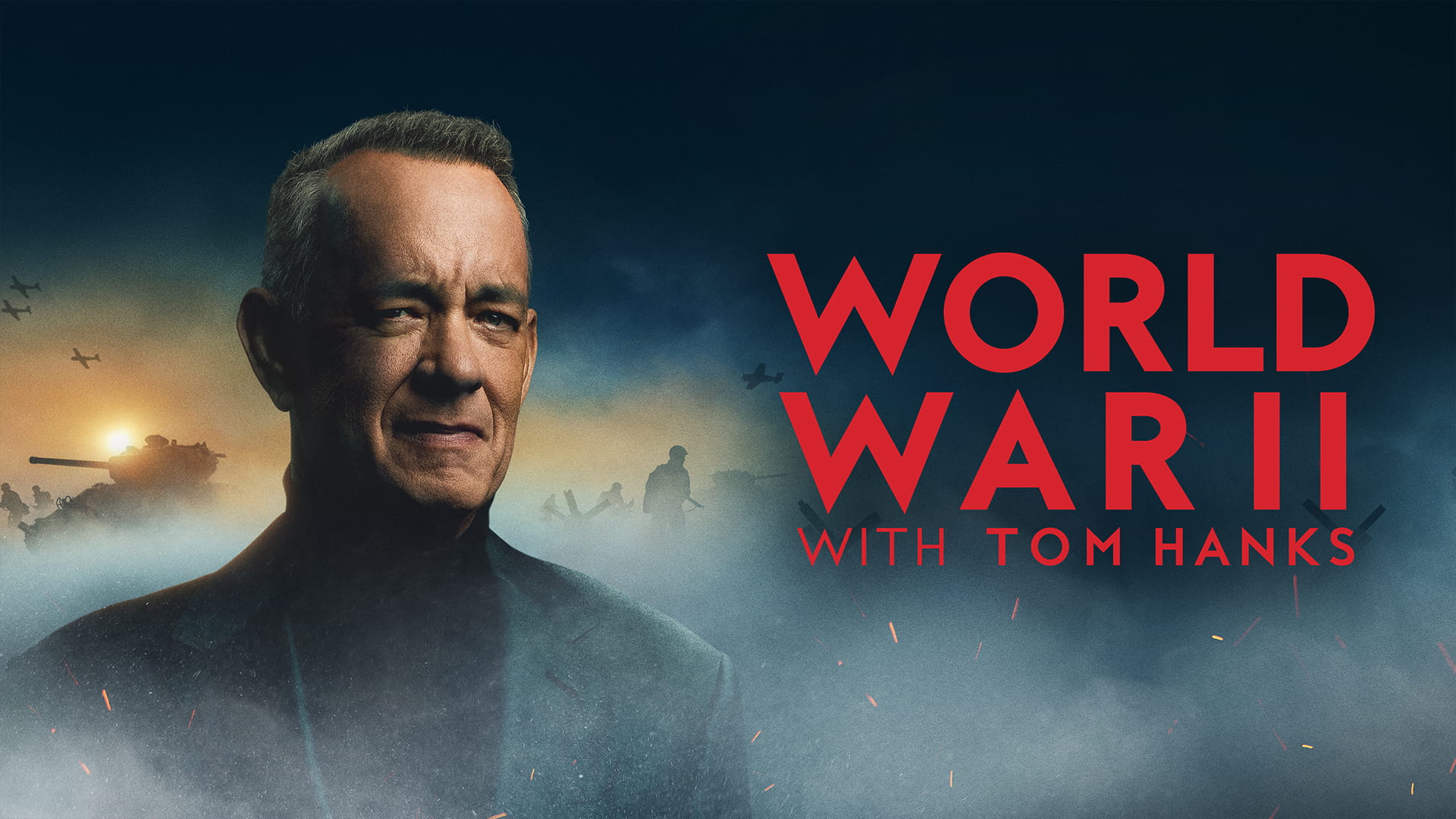
That’s when various codenames related to D-Day began popping up in, of all places, the Daily Telegraph’s crossword puzzles. What was going on? Was a spy working for the newspaper and using it to smuggle military secrets to fellow informants? As Sky HISTORY’s World War II with Tom Hanks tells the story of D-Day, we look at one of the most peculiar mysteries surrounding it.
Just a ‘remarkable coincidence’, or something much bigger?
After France fell to the Nazis in 1940, the Allied powers of Britain and the United States collaborated on plans to liberate the subjugated French. One such scheme that went disastrously wrong was Operation Jubilee in August 1942. Though 6,086 Allied troops landed in the northern French commune of Dieppe, almost 60% were killed, wounded or captured within 10 hours.
How had the Germans repelled the Allied force so effectively? Could they somehow have been tipped off about the impending attack beforehand? British intelligence certainly suspected so after noticing that ‘Dieppe’ had appeared as a crossword answer in the Daily Telegraph two days before. However, Lord Tweedsmuir, heading the investigation into the matter, ultimately dismissed it as ‘a remarkable coincidence’.
Maybe he spoke too soon. On 2nd May 1944, the Daily Telegraph crossword included a curious clue that again caught the eye of MI5. The answer was ‘Utah’ – not only a US state but also a codename assigned to a French beach where American forces were aiming to land. This was part of the wider plan for Operation Overlord, at that time set to take place on 5th June 1944.
More Allied military secrets apparently tumble out
For 22nd May, the Daily Telegraph printed yet another eerie crossword clue: ‘Red Indian on the Missouri’. The answer was ‘Omaha’, a codename for another French beach targeted by the Americans. As the projected date of the invasion neared, the newspaper produced yet more crossword clues pointing to Overlord codenames – ‘Mulberry’, ‘Neptune’, even ‘Overlord’ itself. It was all too much for British intelligence officers to ignore.
Who was behind the crossword puzzles? It turned out to be school headmaster Leonard Dawe, who was creating them as a side hustle. Strand School was usually based in London, but had relocated to Surrey to keep a safe distance from German bombing. Authorities arrested Dawe and fellow crossword compiler Melville Jones, with the former almost losing his job at the school. In the event, investigators could find no real evidence of wrongdoing.
An extraordinary twist in the tale
For decades after the war, the official verdict on the crossword puzzles was that their D-Day references really were just spooky coincidences. Things changed after the Daily Telegraph brought the story back to public attention for the 40th anniversary of D-Day in 1984. That’s when former Strand School student Ronald French came forward with a stunning revelation.

French recalled being taught by Dawe back in 1944, when the school’s wartime base in Effingham lay close to a military camp housing American troops. According to French, he heard Overlord codenames from them. Not knowing the sensitivity of the information he was privy to, French suggested to Dawes that he include these peculiar words in his crossword puzzles.
Not everyone has bought the story that troops preparing for D-Day would have bandied these codenames about so readily. Still, if the story is to be believed, the appearance of these words in the crosswords was not entirely innocent after all.
At the same time, it certainly didn’t appear to be the work of German espionage. Though treacherous weather did delay D-Day by one day, German forces were genuinely surprised by the amphibious attack. The operation’s success paved the way for Nazi Germany’s eventual surrender on VE Day.
Love pondering mysteries of the past? Sign up to the Sky HISTORY newsletter to discover more. Every week, you'll receive the latest articles, episodes and more delivered straight to your inbox.


