

World War II: The overlooked brutality of the Italian campaign
The Italian campaign is one of World War II’s lesser-known, but was crucial to the Allies’ strategy. How did its battles change the course of the war?
Image: Troops from 51st Highland Division unloading stores from tank landing craft on the opening day of the Allied invasion of Sicily, 10 July 1943 | Public Domain
Some episodes of World War II are much more famous than others. We all know about the Battle of Britain and the Normandy landings, but what about the Italian campaign of 1943-45?
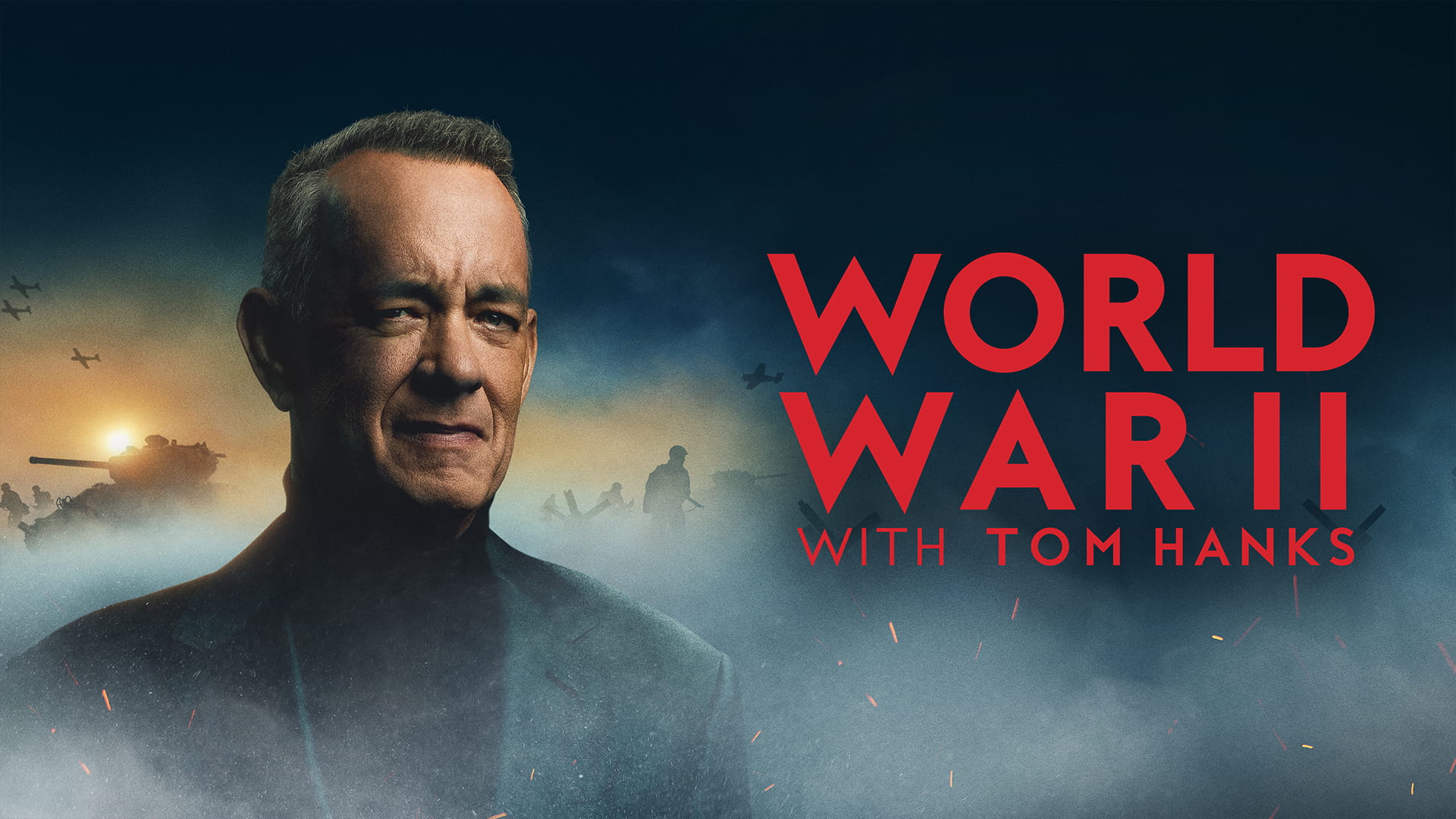
Even Saving Private Ryan star Tom Hanks has acknowledged being unfamiliar with the Italian campaign before Sky HISTORY’s World War II with Tom Hanks. If he found making this new docuseries enlightening, imagine how much you could learn by watching it - starting Tuesday, 26th May on Sky HISTORY.
The Italian campaign began with Allied forces invading Sicily in July 1943, but proved much more gruelling than anticipated. Here’s the Sky HISTORY guide to how it all started, how it went, and how it helped to turn the tables of the war.
Italy in World War II
Benito Mussolini became Italy’s prime minister in 1922 and soon cemented himself as a fascist dictator. In 1940, Mussolini’s Italy entered World War II as one of the Axis powers. However, the Italian troops soon proved themselves somewhat inept on the battlefield.
Fascist Italy’s string of military reversals saw it frequently bailed out by its foremost European partner Nazi Germany. At the same time, the Nazis couldn’t be everywhere, if not for want of trying. The UK’s wartime leader Winston Churchill saw Italy as the ‘soft underbelly’ of Europe - and the ideal weak spot for the Allies to strike.
Not all the Allies were keen on the idea. US authorities believed that invading Nazi-occupied France instead would contribute much more significantly to ending the war in the Allies’ favour. In the event, a compromise was reached whereby the Allies would commit large numbers of troops to both causes concurrently.
Early success for the Allies in Sicily
The Italian campaign began when British, American and Canadian forces descended upon Sicily on 9th July 1943. The US Seventh Army and British Eighth Army (led respectively by Lieutenant General George S Patton and General Bernard Montgomery) seized the island within weeks.
The Allies’ takeover of Sicilian turf discredited Mussolini, leading Italian king Victor Emmanuel III to depose him on 25th July. Seeing the writing on the wall, the German and Italian forces previously occupying Sicily evacuated to mainland Italy before the end of August.
Even better news was to come when the new Italian government agreed an armistice with the Allies in September. However, when word reached Nazi dictator Adolf Hitler, he swiftly sent German forces into northern and central Italy. This would make liberating Italy from the fascist yoke much harder for the Allies than originally expected.
A war of attrition on the Italian mainland
The British Eight Army arrived in the ‘toe’ of mainland Italy on 3rd September. Less than a week later, the US Fifth Army (commanded by Lieutenant General Mark W Clark) landed at Salerno in southwestern Italy. There, Clark’s men soon found themselves assailed by unexpected counterattacks from German forces.
For much of the Italian campaign, the Royal Italian Army was out of the picture, having been disarmed by German divisions. This did not stop the Allied armies taking up swathes of southern and central Italy as the Germans retreated over several months.
The German resistance remained fierce, destroying bridges and laying mines to hinder the Allied advance. As 1944 beckoned, the Allies came to a halt at the ‘Winter Line’, an especially formidable row of German fortifications running through Monte Cassino.
In the mistaken belief that the Abbey of Monte Cassino was occupied by Nazi forces, the Allies bombed the ancient building in February 1944. Ironically, German soldiers proceeded to use the abbey’s charred remains as defensive cover. The Allies did not finally break through the Winter Line until the following May.
Why the Italian campaign deserves its due
The Italian campaign has long been seen as a mere sideshow compared to the Normandy landings of 1944. Soldiers stationed in Italy were even cruelly dubbed ‘D-Day dodgers’.
However, the Italian campaign tied down more than 20 German divisions, preventing them from strengthening the Nazis’ increasingly threadbare defence in northwest France. So, those ‘D-Day dodgers’ arguably made things easier for their comrades who actually took part in D-Day.
Tom Hanks has revealed to Sky HISTORY that the Italian campaign is one of those aspects of World War II that fascinate him the most. The Germans did not surrender in Italy until May 1945, by which time the campaign had cost both sides more than 300,000 casualties apiece.
Fascinated by the Italian campaign? Find out about many other tales from World War II by subscribing to the Sky HISTORY newsletter.


