
Myths about the Magna Carta debunked
Was Magna Carta the birth of modern democracy – or just a treaty for self-interested barons? Here's the truth behind history's most famous charter.
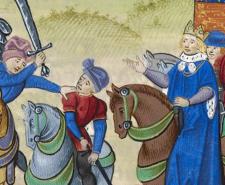
Image: 19th-century recreation of King John signing Magna Carta. It actual fact, the document was sealed rather than signed in writing | Public Domain
When politicians discuss civil liberties today, mention of the Magna Carta never seems far away. This document was originally drafted more than 800 years ago in a bid to rein in the tyrannical impulses of an English king.
Here in the 21st century, the Magna Carta is often said to safeguard key human rights, including those to impartial justice and religious freedom. However, the story of this ancient charter and what it contains has long been shrouded in myth and legend.
So, what is actually in the Magna Carta? Are its terms still relevant in the modern age? Most importantly, does it really deserve its shining reputation? Allow us at Sky HISTORY to bust several of the most common myths about the Magna Carta.
“Magna Carta was signed by King John”
The seeds of the Magna Carta were sown in the early 13th century. King John of England's increasingly arbitrary rule – including heavy taxation and the flouting of feudal obligations – pushed a group of disgruntled barons into revolt, eventually forcing John out of London.
In Runnymede, just outside the capital, John agreed to a peace treaty – what is now commonly seen as the first version of the Magna Carta. The date that he signed it is traditionally held to be 15th June 1215… except that, well, he didn’t literally sign it.
Instead, he applied his royal seal to it, though the terms ‘signed’ and ‘sealed’ are often used interchangeably in reference to this momentous event.
“Magna Carta dates from 1215”
Hang on, didn’t we just say that the first version of the Magna Carta was signed (sorry, sealed) in 1215? You might even remember the 800th anniversary celebrations held in 2015. Let’s clear the confusion. The 1215 document wasn’t originally called the Magna Carta.
Its name was instead the Charter of Runnymede. John reneged on the deal within weeks, igniting the First Barons’ War. John died in 1216, but his successor, Henry III’s regency government, quickly reissued the charter (now shorn of its more radical provisions).
It was reissued again the following year, this time alongside the separate (and physically smaller) Charter of the Forest. The new Charter of Runnymede was christened the ‘Magna Carta’ (that’s Latin for ‘Great Charter’) to better distinguish it from its little sibling.
“Magna Carta was all about the barons”
Critics of the Magna Carta have dismissed it as being exclusively concerned with protecting the interests of the barons rebelling against John. It is true that many of its clauses were designed to specifically benefit them, such as by enshrining feudal rights.
In practice, however, it also stood up for the rights of churchmen, merchants and townspeople. The changes it brought to both national and local government would also have made ordinary people’s lives easier, if somewhat indirectly.
Though the Magna Carta only claims to stand up for ‘men’, this was possibly intended as a gender-neutral term. Female beneficiaries of the charter included widows no longer under pressure to remarry (and give away much of their wealth as a result).
“Magna Carta created modern democracy overnight”
On one hand, the Magna Carta’s positive effects reached many more people than has often been assumed. On the other hand, a large proportion of the English population was still initially left out in the cold.
About half the English population in 1215 was bound to the land as ‘serfs’ – effectively unfree labourers with severely limited rights. The stipulations of the first Magna Carta addressed only the explicit concerns of the free. It took later reiterations of the charter to extend these rights more broadly.
The popular myth of the Magna Carta as a fountain of universal democracy dates from the early Stuart era. At the time, Magna Carta was increasingly invoked in response to the authoritarian policies of Charles I, who eventually tipped England into civil war.

“The original Magna Carta is still in force today”
Many of the Magna Carta’s clauses have been repealed over time. In England and Wales, only three remain intact today, covering church liberties, London customs and the right to due process. Though the Magna Carta is not on the US statute books, its stance against perceivably unjust taxation did inspire the American Revolution.
The 1215 charter entitled the barons to seize John’s castles and estates if he violated its terms. However, this specific clause was omitted from subsequent versions. So, contrary to myth, Magna Carta does not grant people the legal right to disobey laws they personally disagree with, such as COVID-19 lockdowns.
For more on the history that isn't quite what you think it is, sign up to the Sky HISTORY newsletter. Every week, you'll receive the latest articles, episodes and more delivered straight to your inbox.


