

Were Viking runes used to tell the future?
Viking runes were used for everything from messages to monuments. But could they actually predict the future? Here's what historians really know.
Image: stock.adobe.com
Runes – you see them everywhere. They are the angular little symbols originally used as letters by the Germanic peoples, including the Vikings. Even the distinctive, iconic logo for the modern wireless technology Bluetooth is a rune! It’s a ‘bind rune’ – two runes in one, combining the initials of 10th-century Danish king Harald Bluetooth.
The Vikings inscribed runes on materials like wood and metal. Sometimes, this was just to leave messages. At the other end of the scale, Norsemen also erected ‘runestones’ – large, hulking monuments inscribed with runic commemorations of their departed brethren. You might even be tempted to try some ‘rune casting’…
Rune casting is the established practice of throwing runes you can then inspect to garner insights into your future. That’s the purported benefit of rune casting, at least. So, is it a genuinely ancient art? Did Viking runes really tell the future? Now’s the time for us at Sky HISTORY to forget about the future and instead look into the past.
What were Viking runes?
It’s unclear exactly when Germanic civilisations first started using runes. Historians have been able to gather clues by stumbling upon runes dating from centuries when these Germanic tribes were active in Northern Europe. In any case, runes are thought to have been in use as early as the first century AD.
Artefacts recovered from the 2nd to the 8th centuries feature runes from the ‘Elder Futhark’. This early runic alphabet consisted of 24 runes, later slimmed down to 16 as the Elder Futhark gradually evolved into the ‘Younger Futhark’. This later, more streamlined runic alphabet came into widespread use as the Viking Age beckoned.
The beginning of the Viking Age has often been dated to the raid on Lindisfarne in 793 AD. Around this time, the Vikings are likely to have used implements adorned with runes from both the Elder and Younger Futharks. The Viking era is generally said to have come to a close by the 11th century, but in a sense, we still have Viking runes even today.
How were Viking runes actually used?
From modern popular culture, like Viking-themed films, TV shows and video games, you’ve probably got the impression that Viking runes had magical qualities. Norse mythology has also played its part, contributing its own enchanting, ethereal origin story for Viking runes. This story goes that the Norse god Odin sacrificed himself by hanging from the Yggdrasil tree for nine days and nights, after which the secret of the runes was revealed to him.
Even some Viking runestones still standing today seemingly attest to having magical qualities. These runestones include Denmark’s ‘Glavendrup stone’, where an inscribed curse warns onlookers not to damage or move the stone. Meanwhile, the ‘Rök runestone’ in Sweden includes inscriptions hinting at Viking anxieties about a brutally cold weather pattern potentially on the way.
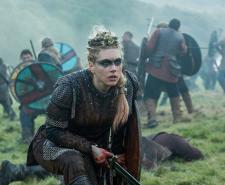
Other Viking runes, though, were a lot smaller than these hulking behemoths. Often, they would be used for rather drab practical purposes, like passing on messages. Other runes have shown a light on the very human, relatable side of their inscribers. The runic messages uncovered over the years have ranged from despair about unrequited love to amusing stabs at toilet humour.
Could Viking runes predict the future?
Were Viking runes used for prophesying purposes back in the actual Viking era? The evidence for this is actually somewhat patchy. In the 1st century AD, the Roman historian Tacitus wrote his Germania, a history of Germanic peoples. In it, he describes ‘signs’ cut from a ‘nut-bearing tree’ and subsequently thrown for ‘divination’ purposes. However, Tacitus was technically writing before the Viking era.
In theory, the practice could still have continued into the Viking era. Indeed, in the 9th century, a Germanic monk called Rimbert wrote Vita Ansgari, which mentions the practice of ‘drawing lots’. This has been interpreted as a reference to ancient rune casting. However, details in the account remain vague. As a result, there is no way to judge how this ‘drawing lots’ compares to modern rune casting.
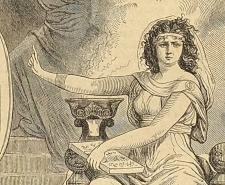
In fact, rune casting as we know it today is a surprisingly recent invention. Its origins have been traced back only to the 1980s, when Ralph Blum’s The Book of Runes was published. Not that we would seriously suggest that even these modern-day Viking runes can predict the future. Their purpose is more to simply provide you with guidance on which steps to take next – whether you fancy some Viking-style seafaring or not.
Viking runes may not predict the future – but signing up to the Sky HISTORY newsletter is a safe bet for more on the myths, mysteries and history of the Norse world. Every week, you'll receive the latest articles, episodes and more delivered straight to your inbox.


