
World War II: Your questions answered
In this article, we answer your most searched for questions about World War II, covering Hitler’s motivations through to key dates and statistics.
Image: American troops approaching Omaha Beach during the invasion of Normandy on D-Day | Public Domain
World War II is one of the most asked about events in modern history, but its causes and consequences can still feel overwhelming (even to well-read historians).
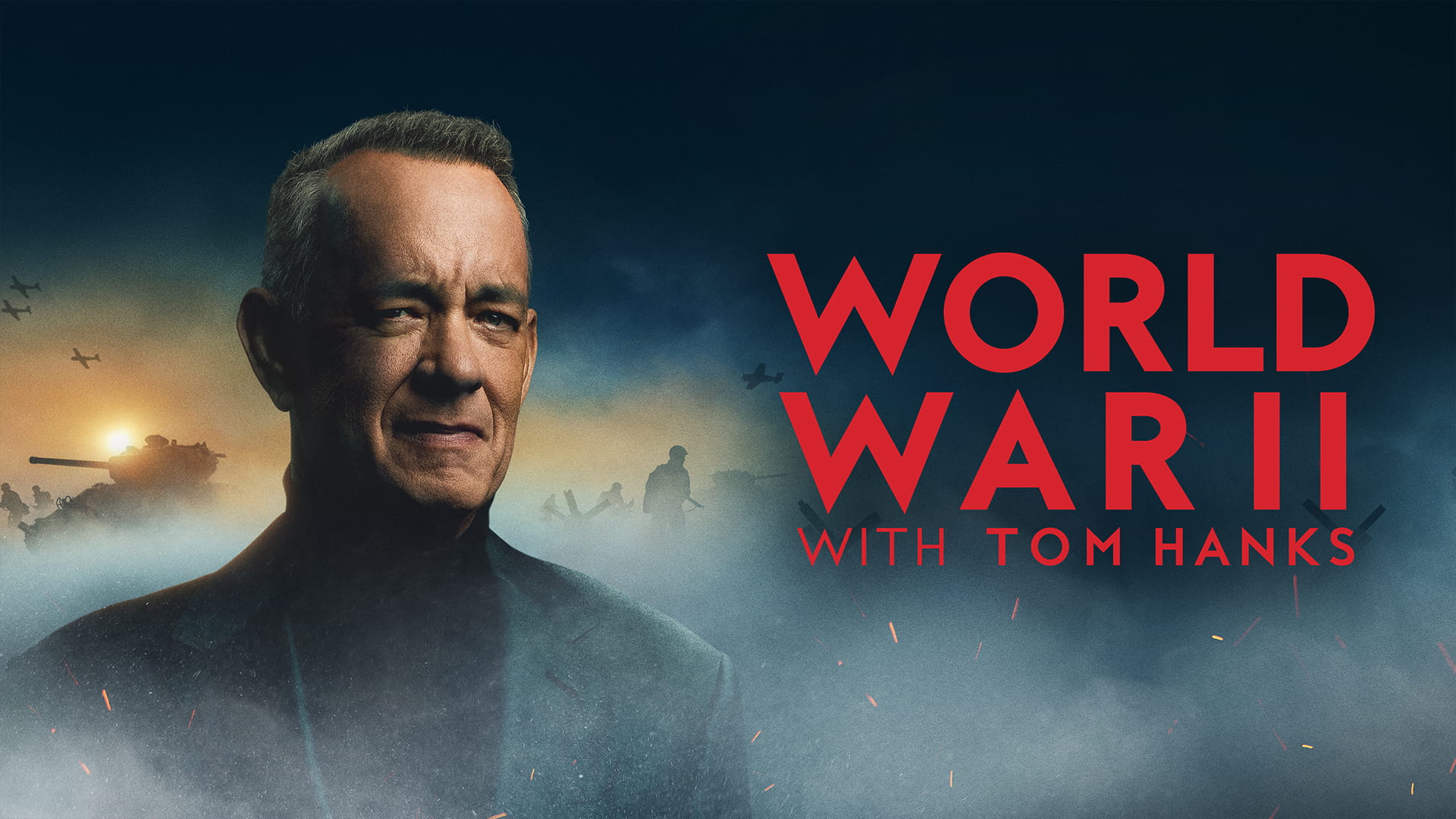
Luckily, our brand-new docuseries World War II with Tom Hanks explores the origins of the conflict, its decisive turning points and the human stories at its heart, using rare archival material and expert insight.
Before its premiere later this year, keep reading as the Sky HISTORY team answers your most asked questions about WWII.
When did WWII start and end?
WWII started on 1st September 1939 when Germany invaded Poland. Britain and France declared war two days later.
In Europe, the conflict ended on 8th May 1945 when Germany surrendered. However, fighting continued in the Pacific until Japan formally surrendered on 2nd September 1945.
In total, the war lasted six years and one day.
What started WWII?
The causes of WWII were complex, but many stemmed from unresolved tensions in the aftermath of WWI. The 1919 Treaty of Versailles imposed heavy financial and territorial penalties on Germany, fuelling poverty and political instability. It was the perfect climate for Adolf Hitler and the Nazi Party to rise to power.
Meanwhile, fascism was gaining strength across the continent, and Japan was pursuing military expansion in East Asia. This shift towards authoritarianism emboldened Hitler and reinforced his own nationalist ambitions.

What countries took part in WWII?
WWII was fought between two major alliances: the Allied Powers and the Axis Powers. The Allies included Britain, France, the Soviet Union, China and the United States. The Axis Powers were led by Germany, Italy and Japan.
While these were the key players, more than 30 countries were involved in the conflict as it spread across Europe, Africa, Asia and the Pacific.
What was Hitler’s goal in WWII?
Hitler’s main goals in WWII were military expansion, particularly into Eastern Europe, and racial superiority. He wanted Lebensraum (living space) for the German people after the harsh penalties imposed in the Treaty of Versailles. To do this, he orchestrated the mass displacement and murder of millions.
In pursuit of racial superiority, the Nazi regime murdered six million Jews during the Holocaust, hundreds of thousands of Romani people, political opponents and millions of Slavic civilians.
Hitler outlined his goals in Mein Kampf, an autobiography he wrote in prison after a failed coup attempt.

What was the deadliest day in WWII?
It’s impossible to state definitively what the deadliest single day of WWII was, as casualty figures vary. However, the Battle of Stalingrad, fought between August 1942 and February 1943, is widely regarded as one of the bloodiest in history.
Deaths reportedly reached tens of thousands daily. Total casualties, including those killed, wounded or captured, are estimated at around two million.
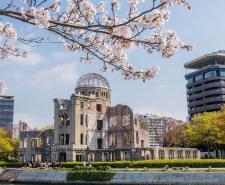
The Hiroshima bombing also stands out for its brutality. On 6th August 1945, the US dropped the world’s first ever atomic bomb on Hiroshima in Japan, killing approximately 80,000 people.
What country had the most deaths in WWII?
The Soviet Union suffered the highest death toll in WWII, followed by China.
Around 24 million Soviet civilians and soldiers were killed, the majority on the Eastern Front, where the fiercest fighting took place. China lost around 20 million people during the conflict, largely due to the prolonged war with Japan.
Why did Japan keep fighting after Germany surrendered?
Germany’s surrender in May 1945 might have ended the conflict in Europe, but the bloody war in Asia continued.
Japan had its own ambitions for military expansion and hoped to secure more favourable surrender terms by preparing for a large-scale defence of the mainland. There was also a strong cultural rejection of surrender, meaning many were prepared to fight to the death.
It was only after the atomic bombings of Hiroshima and Nagasaki, and the Soviet Union’s declaration of war in August 1945, that Japan formally surrendered on 2nd September 1945.
How did WWII end?
WWII didn’t end neatly. In Europe, Allied forces closed in on Berlin in April 1945. Germany formally surrendered on 8th May 1945, after Hitler committed suicide as Soviet troops advanced on the city.
In Asia, fighting continued until the United States dropped atomic bombs on Hiroshima and Nagasaki in August 1945. Japan formally surrendered on 2nd September 1945, marking the end of the deadliest conflict in human history.
Want to learn more about World War II? Subscribe to the Sky HISTORY newsletter for more military history articles, episodes, competitions and more. Brushing up on your knowledge has never been easier.


